Did you know that cities utilizing smart infrastructure technologies can reduce energy consumption by up to 30%? This significant potential stems from the integration of IoT connectivity, which enables real-time monitoring and analytics. As urban areas grapple with growing populations and resource demands, understanding how these innovations optimize urban mobility and resource management will be crucial. The implications for sustainability and quality of life are profound. What’s next in the evolution of smart city planning?
The Role of Technology in Smart Infrastructure
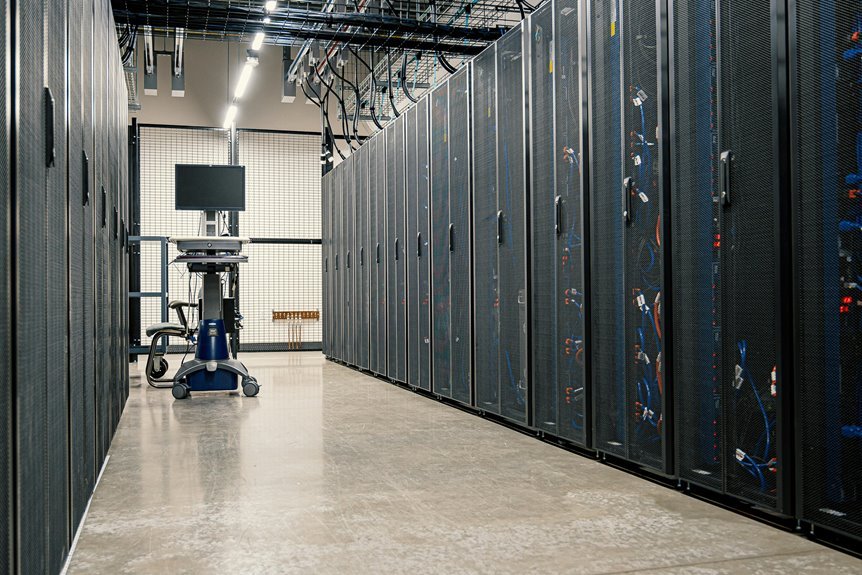
As cities grow and evolve, technology plays a crucial role in shaping smart infrastructure.
You’ll find that sustainable design principles and adaptive systems enhance urban resilience. These technologies optimize resource management, reduce environmental impacts, and improve quality of life.
Benefits of IoT Connectivity in Urban Development
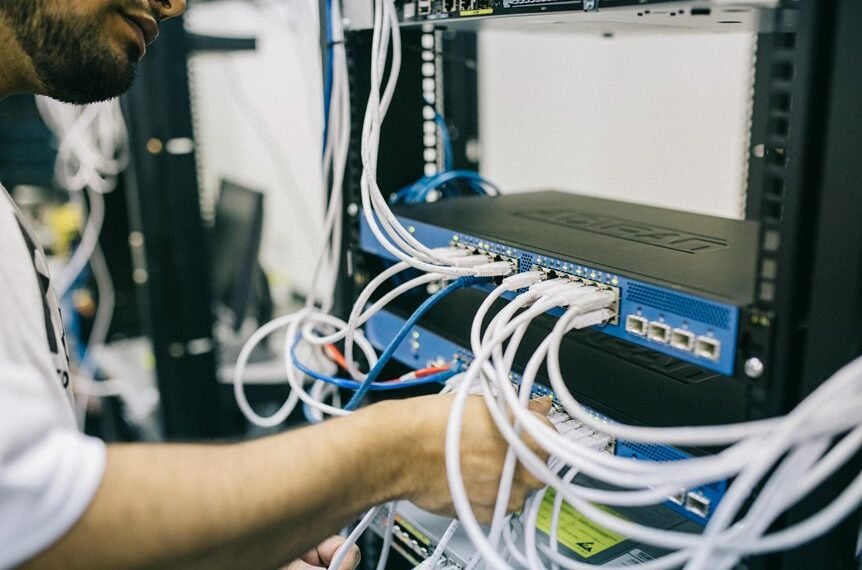
The integration of IoT connectivity revolutionizes urban development by enabling seamless communication between devices, infrastructure, and citizens.
You’ll enhance urban mobility through real-time data sharing, allowing for optimized transportation routes and reduced congestion.
Additionally, IoT facilitates energy efficiency by monitoring consumption patterns, enabling smarter resource management.
This interconnectedness empowers you to create sustainable, adaptive urban environments that foster freedom and innovation.
Real-Time Monitoring and Data Analytics
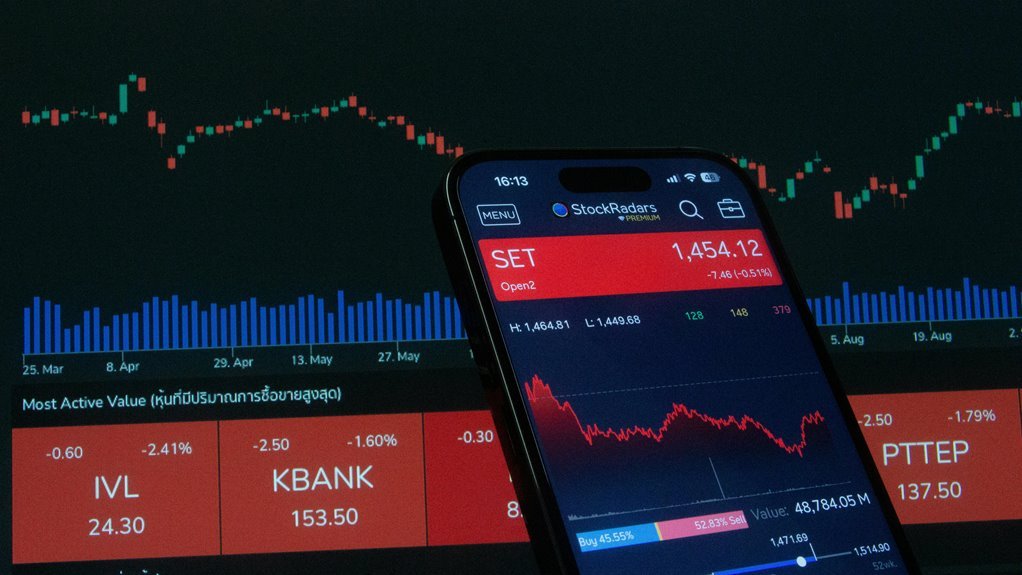
Real-time monitoring and data analytics play a crucial role in optimizing urban infrastructure.
By leveraging data visualization, you can gain immediate insights into system performance and resource allocation.
Predictive analytics empowers you to anticipate issues before they arise, ensuring proactive management.
This data-driven approach enhances decision-making, ultimately fostering a more efficient and resilient urban environment that aligns with your desire for freedom and innovation.
Future Trends in Smart City Planning
While cities continue to evolve, emerging trends in smart city planning are reshaping how urban environments function and interact with their inhabitants.
You’ll see a strong emphasis on sustainable design, integrating eco-friendly materials and energy-efficient technologies.
Additionally, fostering citizen engagement ensures that community voices influence development, creating spaces that truly reflect the needs and desires of those who inhabit them.
Conclusion
In the realm of smart infrastructure, leveraging advanced technologies is crucial for creating sustainable urban environments. As the saying goes, “A stitch in time saves nine,” and investing in IoT connectivity and real-time data analytics now can significantly enhance resource management and urban mobility. By embracing these innovations, you’re not only improving the quality of life for residents but also paving the way for resilient communities that adapt to future challenges. The future of urban living is here, and it’s dynamic.