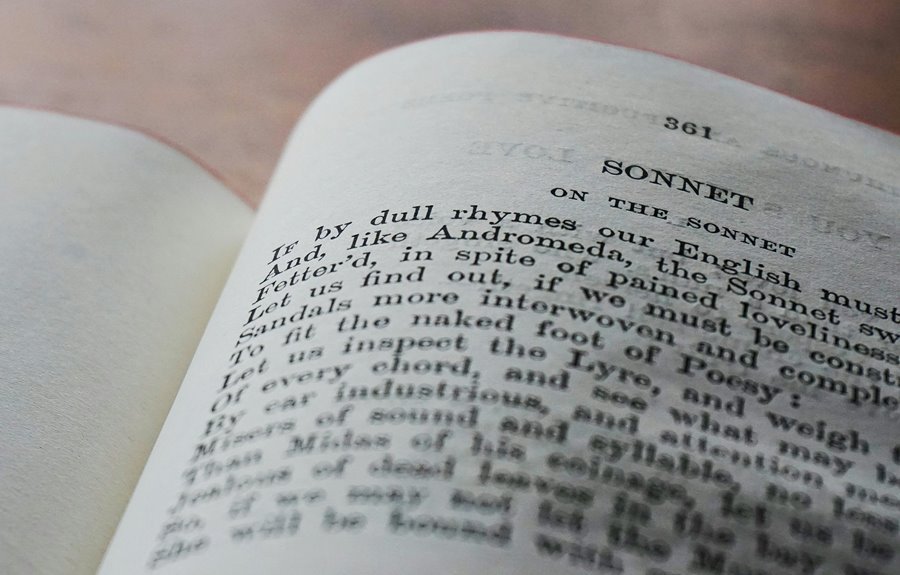
When you explore three-stanza poems, you’ll find a unique power in their brevity. Each stanza acts as a concentrated burst of emotion or imagery, distilling complex ideas into digestible forms. This structure not only enhances rhythm but also deepens meaning, inviting reflection. Consider how classic examples resonate with timeless themes, while contemporary pieces push boundaries. What makes these concise works so impactful, and how do they reflect shifts in our society?
The Power of Brevity in Poetry
While brevity might seem like a constraint, it actually empowers poetry by distilling complex emotions into concise expressions.
You’ll find that each word carries weight, enhancing the impact of poetic imagery.
This economy of language creates a freedom for both the writer and the reader, inviting deep reflection and connection.
In fewer words, profound truths emerge, resonating long after the last line.
Classic Three-Stanza Poems
Brevity in poetry sets the stage for classic three-stanza forms that capture emotions and narratives with precision.
These structures often explore traditional themes like love, nature, and loss, allowing you to delve deep into human experience.
You’ll find that each stanza’s concise nature enhances the poetic structure, creating a rhythm that resonates, inviting reflection while celebrating the essence of timeless storytelling.
Contemporary Three-Stanza Works
Contemporary three-stanza poems often break traditional boundaries, allowing poets to experiment with form and content while still conveying powerful emotions.
You’ll find that these works engage contemporary themes, reflecting societal shifts and personal experiences.
The Emotional Impact of Three Stanzas
Although three-stanza poems may seem simple at first glance, their structure can evoke profound emotional responses that resonate deeply with readers.
This poetic structure allows for a concise exploration of feelings, where each stanza builds upon the last, enhancing emotional resonance.
You discover layers of meaning, prompting reflection and connection, ultimately revealing the depth of human experience in just a few carefully chosen lines.
Conclusion
In just three stanzas, poets can capture the essence of life’s complexities, often reflecting your own experiences in unexpected ways. You might find a familiar emotion nestled in a classic verse or discover a contemporary work that resonates with your current struggles. This coincidence of feeling creates a powerful connection, reminding you that brevity doesn’t diminish depth; rather, it amplifies it. In these concise forms, you uncover the beauty of storytelling, inviting you to reflect and engage with your own narrative.