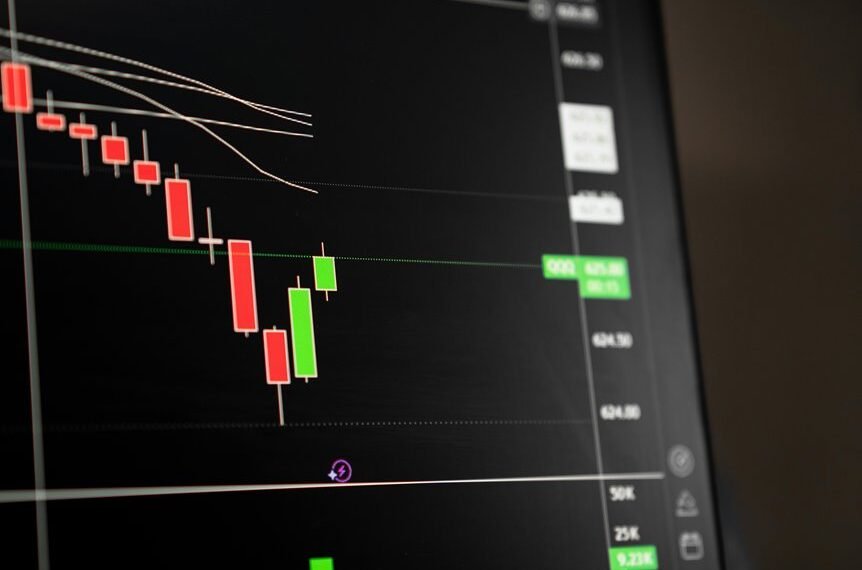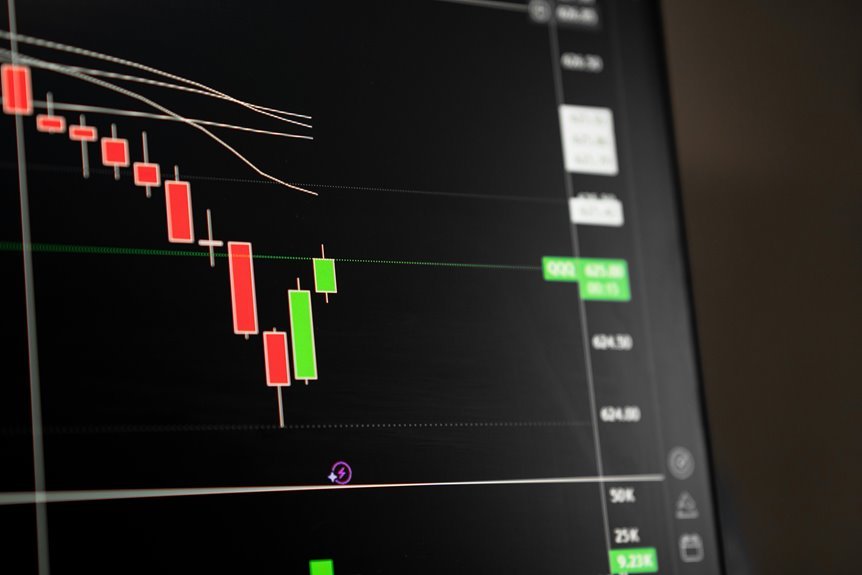
As you assess the current stock market landscape, it’s crucial to recognize the volatility stemming from geopolitical tensions and changing monetary policies. Key economic indicators, such as inflation rates and unemployment figures, play a significant role in shaping market dynamics. Understanding sector performance can provide valuable insights. With various investment strategies at your disposal, knowing how to navigate these conditions is essential for building a resilient portfolio. What could these strategies mean for your investment approach?
Current Market Trends
As investors navigate the current landscape, it’s crucial to recognize that recent market trends reveal a complex interplay of economic indicators and investor sentiment.
Market volatility has intensified, driven by global influences such as geopolitical tensions and shifting monetary policies.
Understanding these dynamics will help you make informed decisions, enabling you to adapt your strategies and seize opportunities amidst uncertainty.
Key Economic Indicators
Key economic indicators serve as vital signposts for investors, providing essential data on the health of the economy and influencing market movements.
Monitoring inflation rates and unemployment figures helps you gauge economic stability. Rising inflation can erode purchasing power, while high unemployment signals economic distress.
Understanding these indicators allows you to make informed investment decisions and navigate market fluctuations effectively.
Sector Performance Overview
Understanding economic indicators sets the stage for analyzing sector performance, as different industries often react uniquely to shifts in the economy.
Recent earnings reports reveal patterns that can signal sector rotation, highlighting which sectors may outperform others.
Investment Strategies to Consider
While the stock market can be unpredictable, employing strategic investment approaches can help mitigate risks and enhance returns.
Consider focusing on dividend stocks for reliable income, providing stability in volatile markets.
Alternatively, growth investing can yield substantial long-term gains, targeting companies with strong potential.
Conclusion
In today’s volatile stock market, staying informed is crucial. Monitor inflation rates, evaluate unemployment figures, and assess sector performance to make informed decisions. Embrace strategies like investing in dividend stocks and diversifying your portfolio to safeguard against uncertainty. By being proactive and analytical, you can navigate these turbulent waters more effectively. Remember, informed investors adapt, resilient portfolios thrive, and strategic decision-making leads to long-term success. Stay vigilant and adjust your approach as the market evolves.